

2/2/2026
Is your Company in our Directory?

Aluminum Extrusion 6063 Scrap and UBC Cans Ivory Phar Inc Recycling

1/6/2026
Aluminum is one of the most sustainable and recyclable materials available in the modern industrial landscape. Unlike many other metals, aluminum can be recycled indefinitely without any loss of its physical or chemical properties. This unique characteristic makes aluminum a vital material across numerous industries, offering long-term environmental, economic, and operational benefits. Recycling aluminum extrusion 6063 scrap conserves natural resources, reduces landfill waste, and significantly lowers greenhouse gas emissions when compared to primary aluminum production.
When aluminum scrap is recycled into secondary material—commonly referred to as “green aluminum”—energy consumption can be reduced by up to 90 percent compared to producing aluminum from raw bauxite ore. This dramatic energy saving directly translates into reduced production costs while also minimizing the environmental damage associated with mining, refining, and transporting bauxite. As a result, recycled aluminum plays a central role in sustainable manufacturing and global decarbonization efforts.
As global demand for aluminum extrusion products continues to rise across sectors such as construction, transportation, renewable energy, and consumer goods, industries are increasingly turning to recycled aluminum as a cost-effective and environmentally responsible alternative. However, one of the key challenges manufacturers face is ensuring the purity and consistency of recycled aluminum. Even small levels of contamination can negatively impact mechanical properties, surface finish, and overall product performance, making quality control a critical factor.
Sorting and separation processes are therefore essential to maintaining aluminum purity throughout the recycling chain. Advanced technologies such as X-ray fluorescence spectrometry, laser-induced breakdown spectroscopy, and eddy current separation are widely used to identify and segregate aluminum alloys from other metals and contaminants. These methods ensure that recycled aluminum meets the strict quality standards required for demanding industrial applications. As industries seek lightweight, durable, and high-performance materials, aluminum recycling will continue to play an increasingly strategic role.
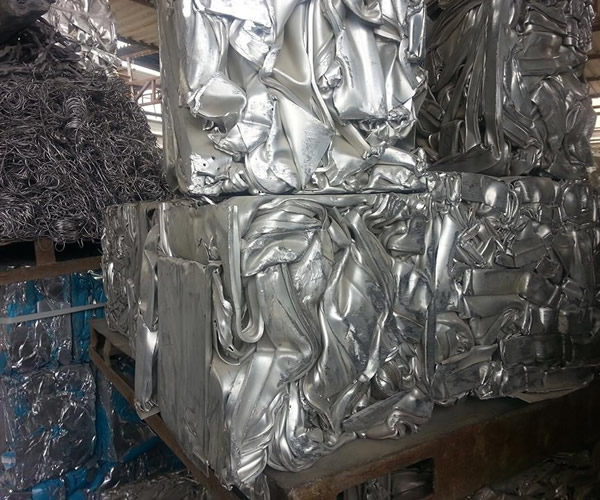
To obtain high-quality aluminum scrap, buyers must partner with reputable and experienced suppliers. Reliable suppliers ensure consistent alloy composition, proper processing, and compliance with international specifications. The choice of supplier directly influences manufacturing efficiency, product quality, and long-term operational success. To better understand aluminum’s industrial relevance, it is essential to examine the aluminum extrusion process and its broad range of applications.
What is Aluminum Extrusion?
Aluminum extrusion is a manufacturing process used to create objects with a fixed cross-sectional profile by forcing aluminum alloy material through a shaped die. This process enables the production of complex and precise shapes while maintaining excellent structural integrity, strength, and dimensional accuracy.
The extrusion process begins by heating a solid aluminum billet to make it malleable. The heated billet is then pushed through a die using hydraulic pressure, forming the desired profile. Importantly, while extrusion alters the shape of the aluminum, it does not change its inherent composition or properties. After extrusion, the profiles are cooled, stretched, cut, and sometimes surface-treated depending on the intended application.
Extruded aluminum is widely used across industries due to its lightweight nature, corrosion resistance, strength-to-weight ratio, and design flexibility. Industries such as construction, automotive, aerospace, electronics, and consumer products rely heavily on aluminum extrusion for both structural and decorative components.
Common Items Made from Extruded Aluminum
Aluminum extrusion is used to manufacture a wide variety of everyday and industrial products. Common examples include window frames, which are valued for their durability, weather resistance, and modern appearance. Aluminum trays are widely used in food packaging due to their light weight, recyclability, and cost efficiency. Cooking sheets and cookware benefit from aluminum’s excellent thermal conductivity and uniform heat distribution.
Door frames made from extruded aluminum provide long-lasting structural support while resisting corrosion. Many children’s toys incorporate aluminum components because they are lightweight, strong, and safe. In the automotive sector, aluminum extrusion is used to produce car frames, crash management systems, bumpers, and heat exchangers, helping reduce vehicle weight and improve fuel efficiency.
Electronic enclosures and heat sinks are also commonly made from extruded aluminum, as the material efficiently dissipates heat and protects sensitive components. These products undergo a precise manufacturing sequence that ensures accuracy, strength, and consistency in high-volume production environments.
Grades of Aluminum Used in Extrusion
Several aluminum grades are commonly used in extrusion, each selected based on application requirements. Aluminum 6063, often called architectural aluminum, is known for its smooth surface finish and excellent corrosion resistance. It is widely used for window and door frames, curtain walls, tubing, and decorative applications where appearance is important.
Aluminum 6061 contains higher levels of magnesium and silicon, providing superior strength and durability. This grade is used in structural components, furniture frames, marine environments, transportation systems, and aerospace applications. It offers excellent machinability, weldability, and long-term performance under stress.
The 3000 series aluminum alloys, primarily alloyed with manganese, are frequently used in the food and beverage industry. These alloys are commonly found in beverage cans, food containers, foil trays, and cooking utensils. Their high recyclability and formability make them ideal for packaging applications and rapid reprocessing.
The Role of Scrap Recycling Companies
Scrap recycling companies are essential to maintaining a circular aluminum supply chain. These companies collect, process, and supply aluminum scrap to manufacturers worldwide. Common forms of aluminum scrap include used beverage cans, aluminum extrusion 6063 scrap, and industrial aluminum offcuts. Partnering with reputable recycling companies ensures consistent material quality, reliable supply, and reduced environmental impact.
FINALLY
Aluminum extrusion and recycling are fundamental to sustainable industrial development, energy efficiency, and cost optimization. As demand for lightweight, durable, and environmentally responsible materials continues to grow, aluminum will remain a cornerstone of global manufacturing. In addition to aluminium extrusion 6063 scrap, we also supply scrap aluminum wheels. By understanding aluminum grades, extrusion processes, and recycling benefits, businesses can make informed sourcing decisions and contribute to a more sustainable future.
#aluminumextrusion6063scrap #aluminiumextrusion6063scrap
E-mail: sales(AT)ivorypharinc.com
Website: https://ivorypharinc.com
Other articles and publications:
We specialize in trading and exporting various grades of ferrous, non-ferrous metal scrap, waste plastic and paper scrap.
Business details
- +1 (973) 556-2759
- 6711 S Bell Ave
- ivorypharinc.com/
IvoryPharInc. Com handle various types of scrap aluminium materials and that includes aluminum 6063 extrusion, wheels scrap, aluminum ubc can, aluminum wire/cable scrap, aluminum radiator
Illinois
company, product and service directory
company, product and service directory
Business Network 2008-2026
All rights reserved
All rights reserved